Voynich Manuscript

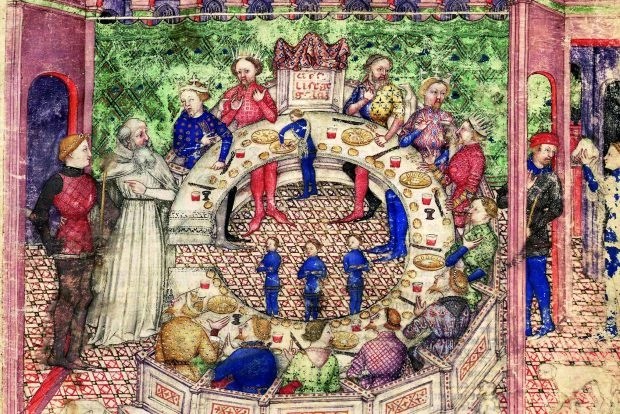
Many call the fifteenth-century codex, commonly known as the “Voynich Manuscript,” the world’s most mysterious book. Written in an unknown script by an unknown author, the manuscript has no clearer purpose now than when it was rediscovered in 1912 by rare books dealer Wilfrid Voynich. The manuscript appears and disappears throughout history, from the library of the Holy Roman Emperor Rudolf II to a secret sale of books in 1903 by the Society of Jesus in Rome. Beinecke.Library

Read more …

The Wall of Philip II Augustus

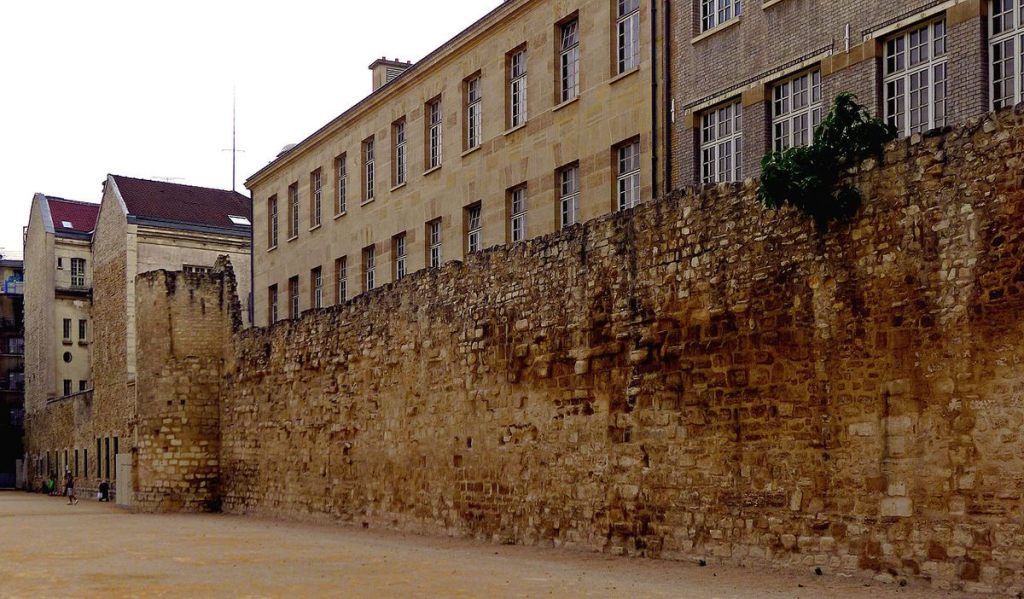
Sandwiched by typical Parisian townhouses, the remains of the late 12th-century city wall stands largely forgotten and little appreciated. It’s one of the few remnants of medieval Paris, built on the orders of Philip II Augustus to defend the city from the Plantagenet forces in his absence while he was away for the Third Crusade. AtlasObscura.com

Read more …

A portion of the wall, rue de Jardins St Paul

‘Like blood, then turned into darkness’: how medieval manuscripts link lunar eclipses, volcanoes and climate change

The researchers compiled hundreds of records of lunar eclipses from across Europe, the Middle East, and Asia, documenting 187 eclipses between 1100 and 1300.

In particular, they searched for descriptions that provided information on the brightness and colour of the Moon during the eclipse. Most of these turned out to be from European monks or clerics, writing in Latin.

Based on these descriptions, the researchers ranked the colour and brightness of the Moon reported in each total eclipse. The brighter the eclipse, the clearer the atmosphere at the time: darker eclipses indicated a higher level of aerosol particles in the upper atmosphere – a marker of recent volcanic activity. TheConversation.com

Read more …

The Battle of Bosworth Field – 22 August 1485

One of the most important battles in English and Welsh history took place at Bosworth during the 15th century Wars of the Roses.

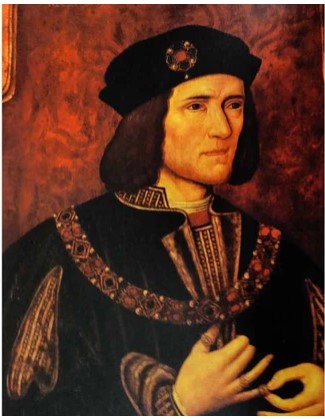
As the battle swayed first one way and then the other, Richard appears to have decided to bring the encounter to a swift end by leading a charge aimed directly at Henry.

After his horse became trapped in boggy ground, the king continued to fight on foot before he was finally overwhelmed.

Richard was the last Plantagenet king of England, and the last English monarch to be killed in battle. Historic-UK.com

Read more …