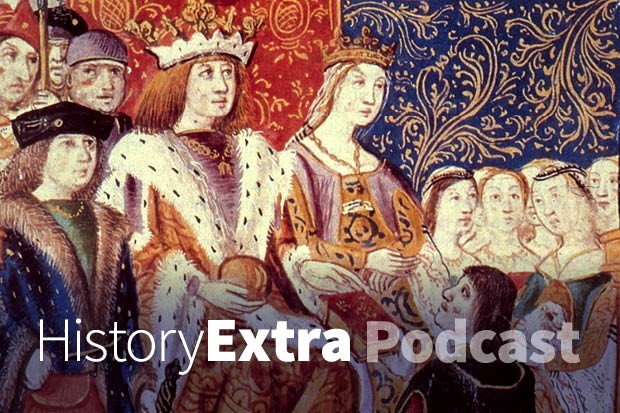
Dr Elena Woodacre is an expert on medieval and early modern queens and queenship at the University of Winchester. In this podcast, she answers the most popular listener and internet search questions about medieval queens, in our ‘Everything you want to know’ series. Who was the most beautiful queen, how much power did queens have, and how did they balance motherhood and royal life, are just some of the questions posed.
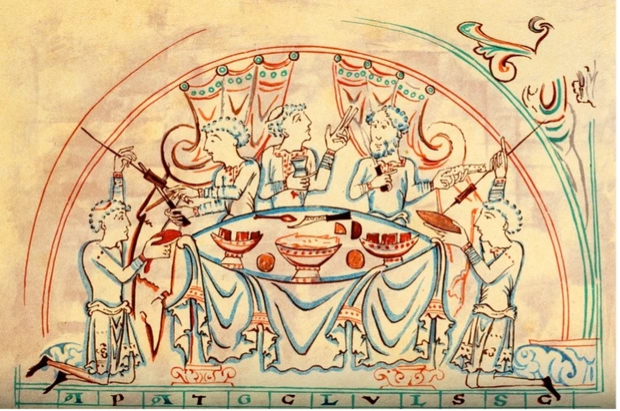
In the Middle Ages, who you were and what you did for a living had great bearing on what you were allowed to eat – and when. Here, Professor Chris Woolgar explains medieval mealtimes… HistoryExtra.comhttps://www.historyextra.com
What was it like to be taken captive during a medieval battle, and what happened to you afterwards? Historian Rémy Ambühl explains to David Musgrove… HistoryExtra.com
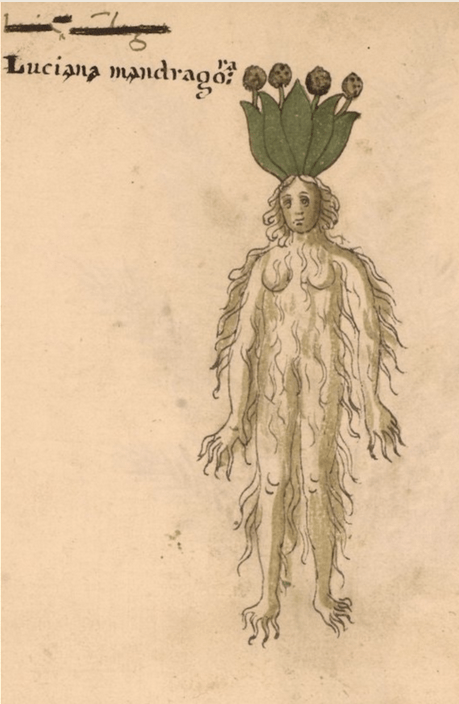
Just because good science is meticulous doesn’t mean it can’t be fun. At least that’s what a northern Italian illustrator decided when he went about drawing and coloring nearly 200 botanical specimens on parchment paper back in the 15th century. AtlasObscura.com
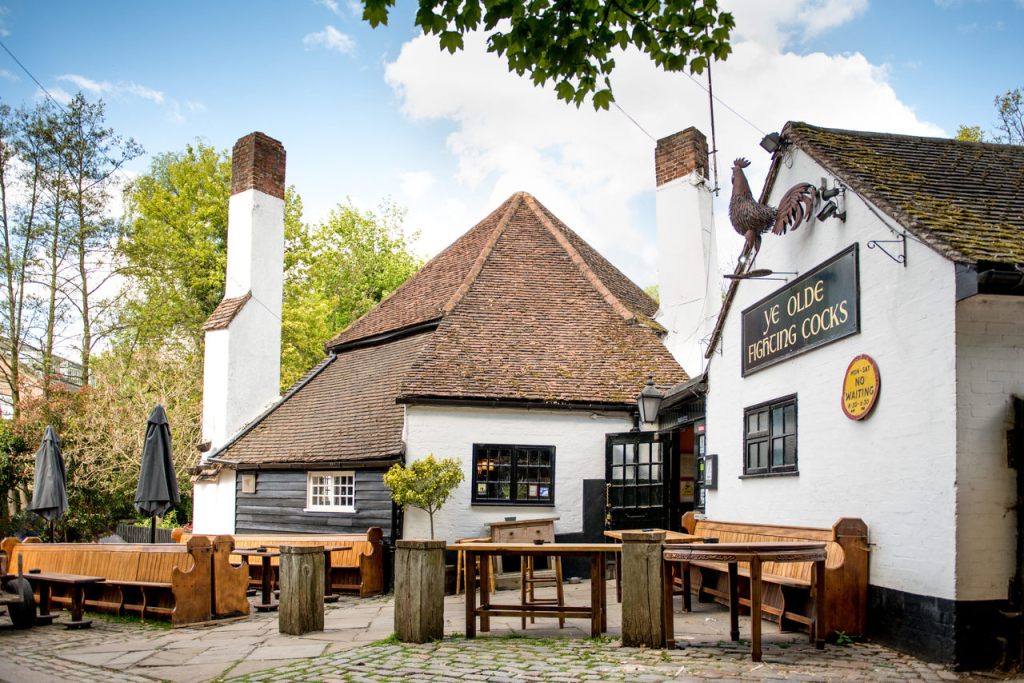
“I’ll buy you a beer when this is all over,” declares Christo Tofalli, the landlord of Ye Olde Fighting Cocks, which lays claim to the contentious title of Britain’s oldest pub and is no stranger to pandemics. While closed, Ye Olde Fighting Cocks, in the historic city of Saint Albans, has become a Community Supply Point, providing much-needed groceries and offering free delivery to the elderly. They are even delivering Sunday Roast dinners to residents in lockdown. The threat posed by coronavirus may feel unprecedented, but Tofalli, who manages the pub, says he has been looking to the past for inspiration. AtlasObscura.com
Turns out it was hiding in plain sight by the side of a Portuguese road.
During hot, dry summers in southern Portugal, the key ingredient for medieval manuscripts grows by the roadside. It is called folium, or turnsole, and it’s derived from the fruit of Chrozophora tinctoria, a small plant that grows in the region. For centuries, folium was responsible for coloring everything from Bible scenes to, later, the rind of a popular Dutch cheese. AtlasObscura.com
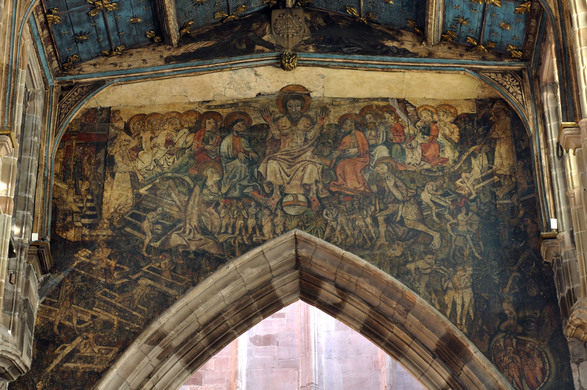
The Holy Trinity Church in the center of Coventry, England dates back to at least the 13th century. It has great architectural merit in its own right, but the real star of the show is the “Coventry Doom.” AtlasObscura.com
Come September, a fleet of secure vehicles will pull up to a 17th-century building in Antwerp, Belgium, receive cases full of heavily protected cargo, and then abscond with the goods to a confidential location. The booty? Five thousand rare, centuries-old books, on their way to a 21st-century treatment. AtlasObscura.com
In late October 1323, on the eve of the feast of Saints Simon and Jude and in the shadow of St. Paul’s Cathedral in London, a heist went awry. According to the coroner’s report, a Frenchman known as John de Chartres had just supped with his accomplices, William of Woodford and his wife Johanna, at their Milk Street residence. They crept over to Bread Street and broke into the home they had targeted, and systematically looted it as planned. But then William noticed that “John was then filled with remorse.” Unable to risk a rat, William politely asked John to light a fire in the kitchen. As John knelt over the flames William hit him with an ax, and then attempted to burn the evidence—namely, John. AtlasObscura.com
Old St. Paul’s Cathedral in London was completed in 1314 and destroyed in the Great Fire of London in 1666. In the early 14th century, religious buildings saw as many murders as taverns. Francis Bond/Public Domain