
Two years after Bosworth, Henry VII took to the battlefield one last time in 1487 to challenge an imposter posing as Richard III’s nephew. How close was he to losing his crown? Julian Humphrys explores this bitter clash of steel. HistoryExtra.com
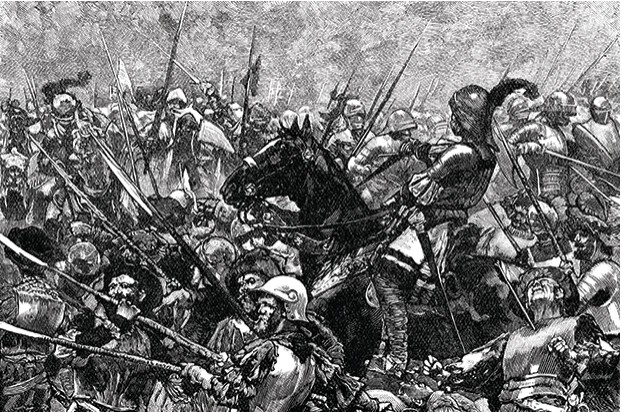
Two years after Bosworth, Henry VII took to the battlefield one last time in 1487 to challenge an imposter posing as Richard III’s nephew. How close was he to losing his crown? Julian Humphrys explores this bitter clash of steel. HistoryExtra.com
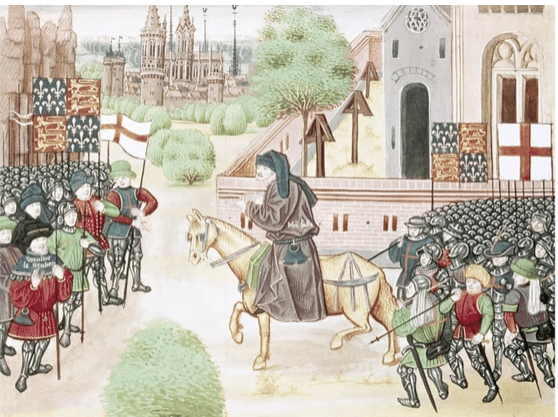
The dynasty ruled England and much of France during the medieval period – monarchs included Henry II, Henry III, Edward II and the boy king Richard II – and their hatred, revenge, jealousy and ambition transformed history. HistoryExtra.com
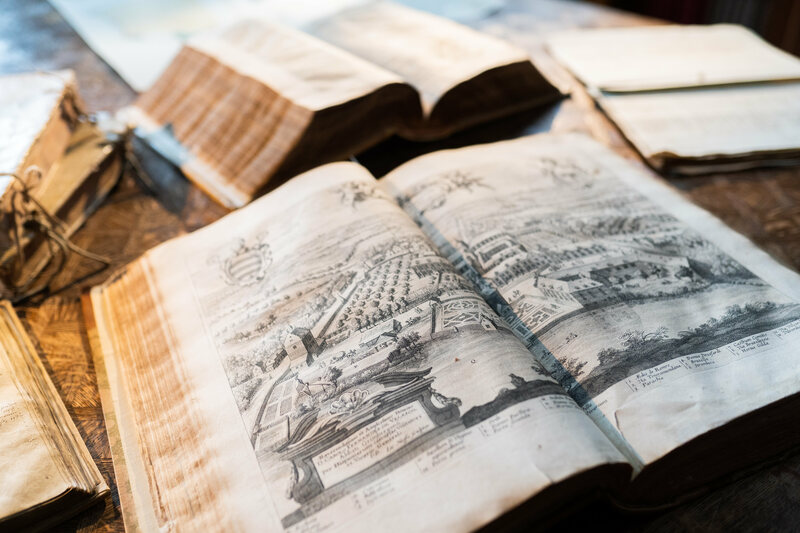
Grimbergen Abbey, a monastery in central Belgium, has burned down three times since it was first built in 1128, hence its phoenix logo. Now, another aspect of the abbey’s history is rising from the ashes: its microbrewery. AtlasObscura.com
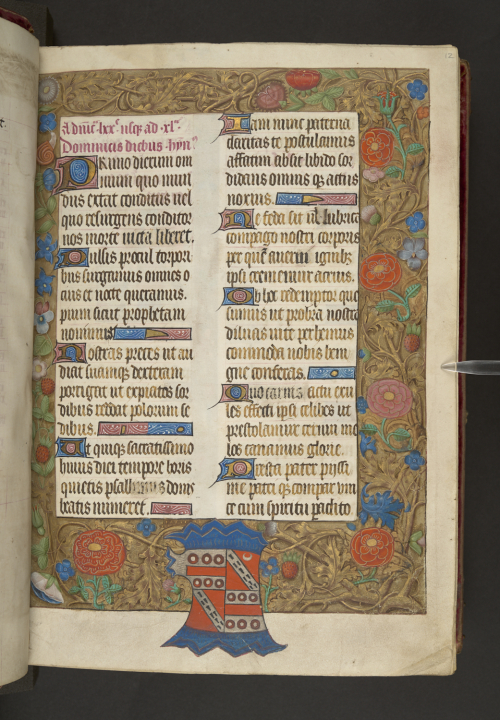
The Psalter includes eight large finely painted initials that are hitherto unknown examples of the work of an artist known as the Master of Edward IV. The Master of Edward IV was first identified by art historian Friedrich Winkler in 1915 and named by him after two volumes of a Bible historiale produced for Edward IV in 1479, now in the British Library (Royal MS 18 D ix and Royal MS 18 D x). Subsequently, the Master of Edward IV was credited with the illustration of many other manuscripts ranging in date from the 1470s to 1500. A study by Bodo Brinkmann in 1997 attributed forty-seven manuscripts and twenty separate leaves to him. blogs.bl.uk
As dawn broke on Saturday 20 May 1217, a small force of 900 troops marched to war, hoping to save England from ruination. Their commander, William Marshal – a man feted as the “greatest knight in all the world” – sought to stiffen their resolve on that sun-lit morning, exhorting them to seize this “chance to free our land” and thereby earn “eternal glory”. HistoryExtra.com
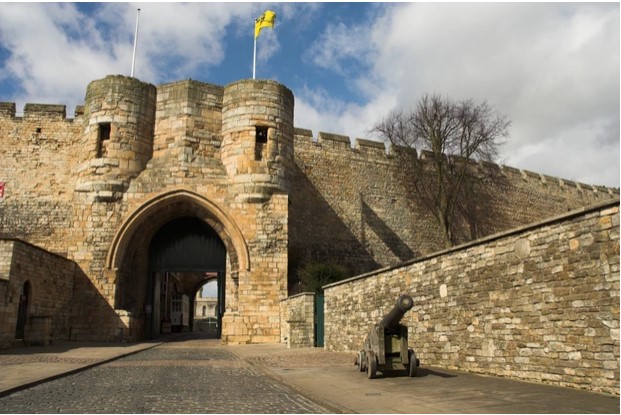
In the prologue to the Canterbury Tales, Chaucer’s prioress is accused of speaking an inferior version of French learned in Stratford rather than in Paris:
Frenssh she spak ful faire and fetisly,
After the scole of Stratford att Bowe,
For Frenssh of Parys was to hire unknowne.
“And she spoke French fluently and elegantly,
After the school of Stratford-at-Bow,
For French of Paris was her her unknown.)

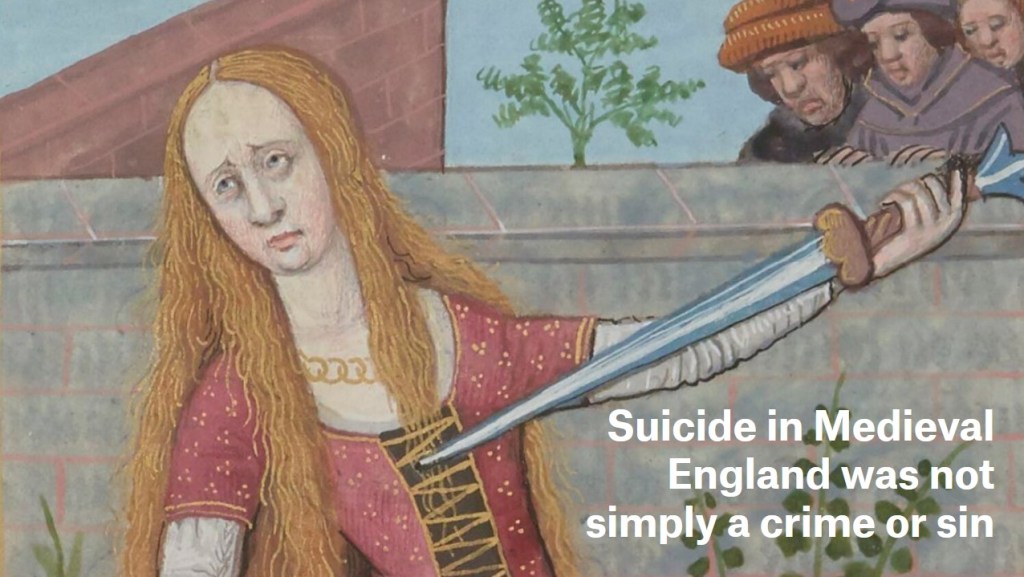
People in medieval England struggled with suicide just like people do today, and they also imagined and enacted practices of care and compassion to support the vulnerable. In the last decades of the 13th century, King Edward I extended compassionate action to a number of English subjects whose family members had died by suicide. A century later, a story in Geoffrey Chaucer’s Canterbury Tales shows friends and neighbours responding with care to a woman on the verge of suicide. psyche.co
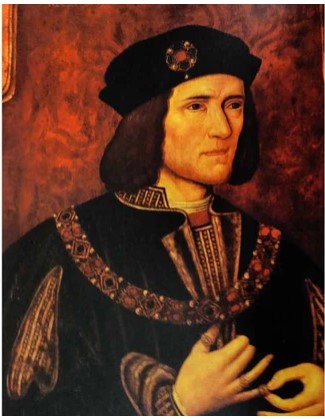
Richard III (1452–85) was the last Yorkist king of England, whose death at the battle of Bosworth in 1485 signified the end of the Wars of the Roses and marked the start of the Tudor age. Many myths persist about the last Plantagenet king, whose remains were discovered beneath a Leicester car park in 2012; three years later he was reburied in Leicester Cathedral. We share a comprehensive guide to the much maligned English king… HistoryExtra.com
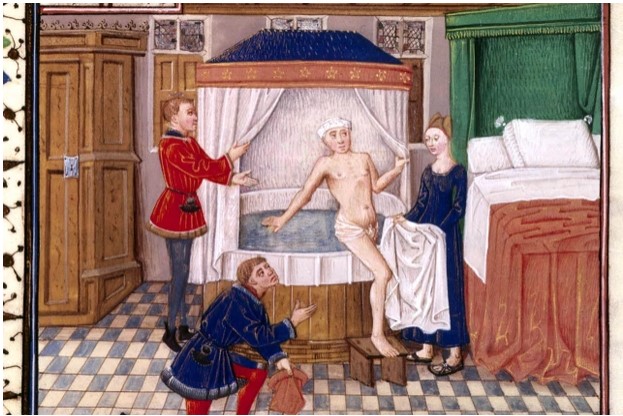
Did people in the Middle Ages take baths? Did they wash their clothes and hands – or have a general awareness of hygiene practices? If there’s one thing we think we know about our medieval ancestors, it’s that they were mud-spattered, lice-infested and smelt like rotting veg. Yet the reality appears to have been far less pungent. Here, Katherine Harvey digs the dirt on the medieval passion for cleanliness. HistoryExtra.com
 Richard III Society